

 English
 中文简体
 русский
 Español
 Français
 عربى
 Português
 हिंदी
 Indonesia
 فارسی
 Tiếng Việt
 Türk



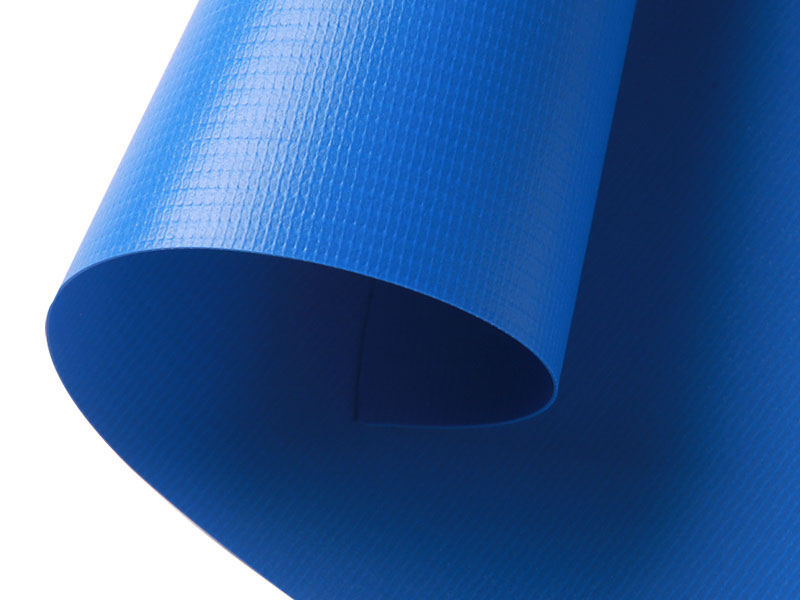
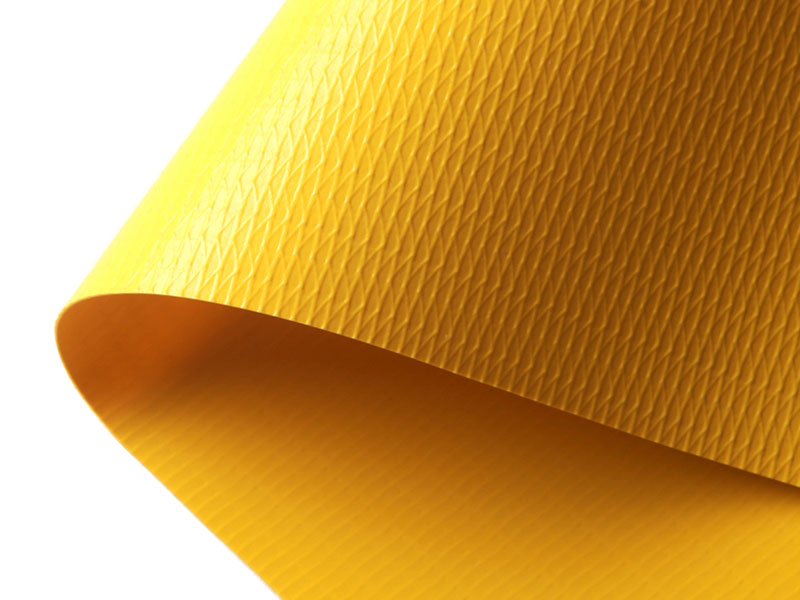
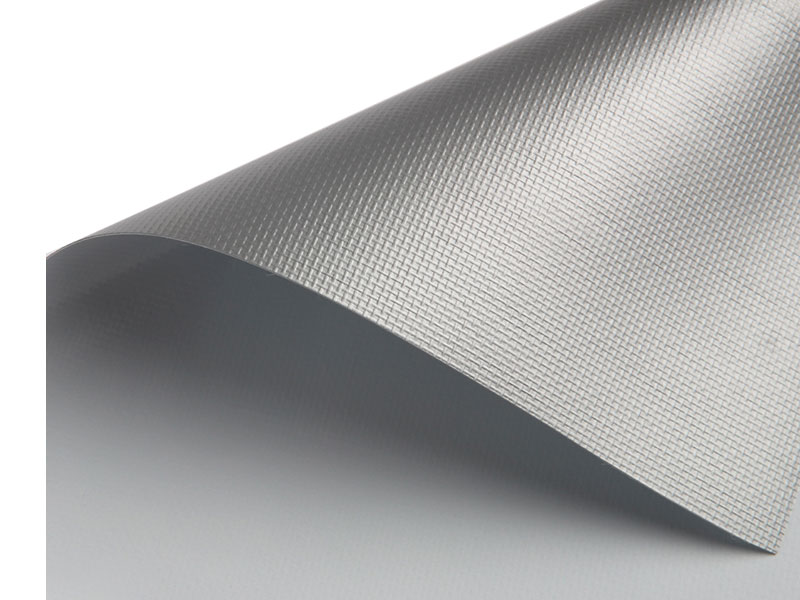
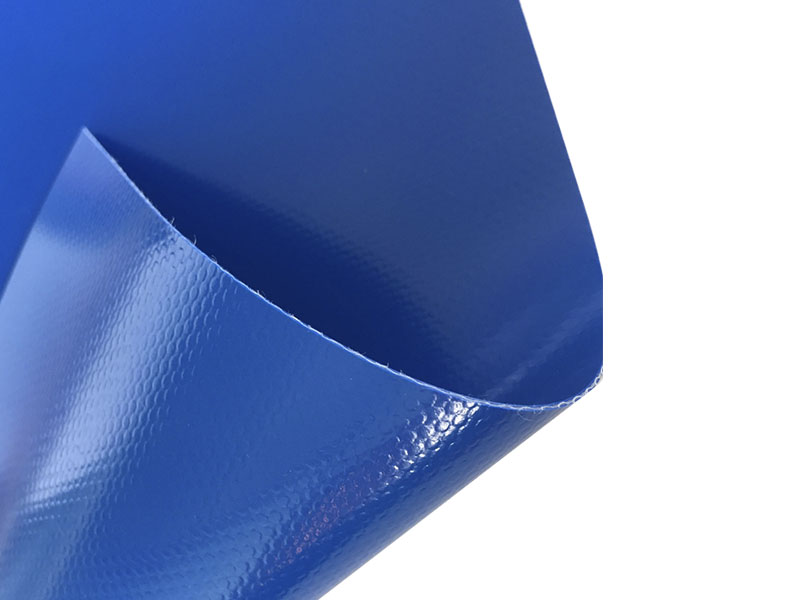
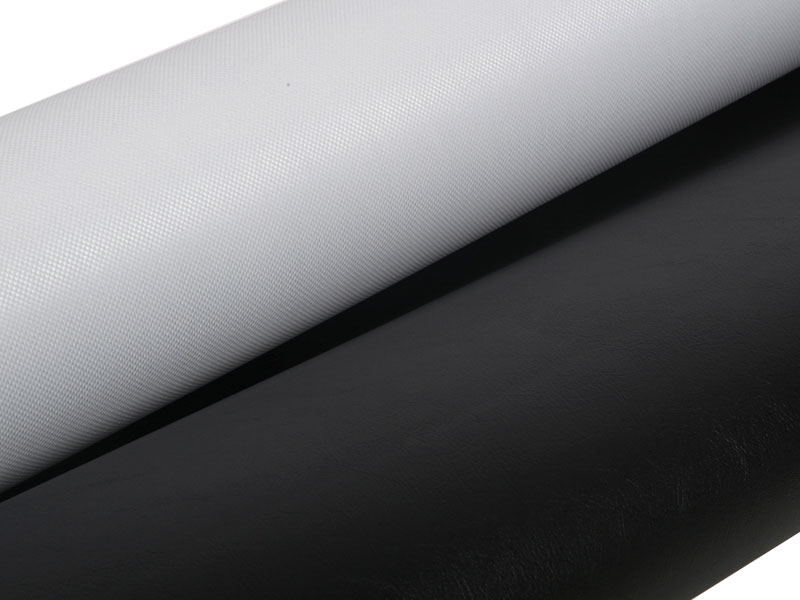
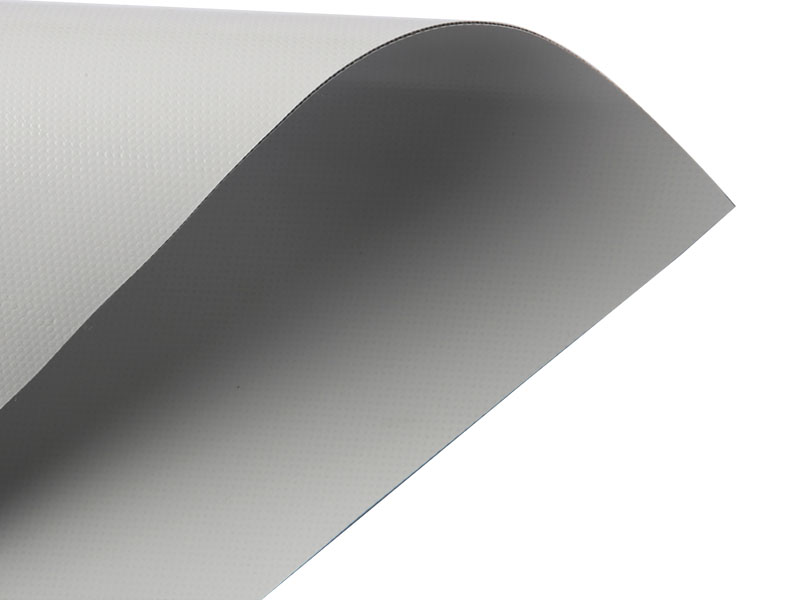
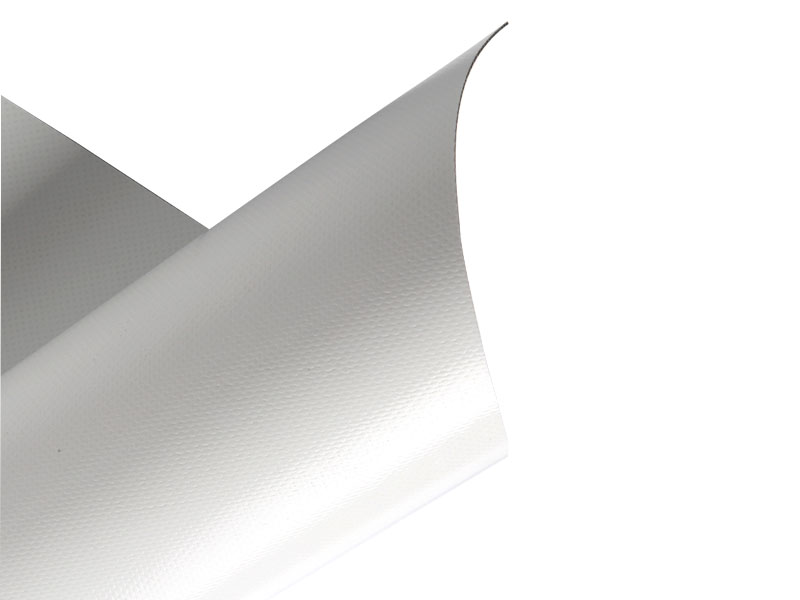

Anti-UV Laminated PVC Tarpaulin
Anti-UV Laminated PVC Tarpaulin is a reinforced PVC sheet material developed for covering applications where exposure to sunlight is an important material selection factor. Its construction generally combines a woven textile reinforcement with laminated PVC layers, while UV stabilizers or other formulation adjustments may be incorporated to help limit degradation caused by solar exposure.
For importers, tarpaulin converters, distributors, and industrial buyers, UV resistance should be evaluated alongside coating adhesion, tensile strength, tear resistance, flexibility, and water resistance. The actual outdoor performance depends on the formulation, reinforcement, lamination process, exposure intensity, and maintenance conditions.
Formulation and verified weathering performance
Layer bonding and surface consistency
Tensile, tear, and dimensional stability
Sunlight, temperature, moisture, and service conditions
MATERIAL CONSTRUCTION
How Anti-UV Laminated PVC Tarpaulin Is Made
Laminated PVC tarpaulin typically uses a textile reinforcement between PVC-based layers. The exact structure varies by manufacturer and product grade. UV performance is influenced by the formulation of the exposed surface as well as the construction of the complete material.
Forms the exposed surface. UV stabilizers and other formulation components may be incorporated to help improve resistance to sunlight-related degradation.
Usually a woven polyester base that contributes to tensile strength, dimensional stability, and resistance to tearing.
Provides the other laminated surface and contributes to the overall coated textile construction. Its composition and bonding should be confirmed for the specified grade.
UV protection is a formulation property
The presence of PVC layers does not automatically establish UV resistance. Buyers should confirm whether UV stabilizers or other protective components are included and request weathering data for the actual material grade.
WEATHERING PERFORMANCE
What Anti-UV Performance Means for Outdoor Tarpaulin
Ultraviolet radiation can gradually affect PVC formulations and textile materials. Depending on the material composition and exposure conditions, prolonged sunlight may contribute to color change, surface deterioration, coating embrittlement, or changes in mechanical properties.
Reduced UV-Related Degradation
Suitable stabilizer systems can help slow certain forms of UV-related material deterioration. The degree of protection must be supported by testing rather than inferred from the product name.
Color and Surface Retention
Color stability and surface appearance are relevant for outdoor covers. Their retention depends on pigments, stabilizers, coating formulation, and the intensity and duration of sunlight exposure.
Mechanical Property Retention
Weathering evaluation should consider changes in tensile and tear properties after exposure, not only visible surface appearance.
Anti-UV does not mean unlimited outdoor life
UV resistance is a relative performance characteristic under defined test conditions. It does not guarantee that the tarpaulin will never fade, crack, or lose strength during long-term outdoor use.
APPLICATION RANGE
Where Anti-UV Laminated PVC Tarpaulin Can Be Used
The material may be considered for outdoor covering and protection products where sunlight exposure is part of the operating environment. Selection should be based on the complete product specification and actual installation conditions.
Outdoor Equipment Covers
For covering selected machinery, equipment, and industrial assets exposed to sunlight and general outdoor conditions. Shape, fastening, ventilation, and abrasion requirements should be considered.
Truck and Trailer Tarpaulins
For selected cargo-covering applications where outdoor exposure, repeated folding, tensile loading, and tear resistance are relevant to material selection.
Temporary Storage Covers
For covering selected materials and supplies stored outdoors. Drainage, ventilation, secure fastening, and compatibility with the covered goods should be assessed.
Agricultural and General Utility Covers
For selected agricultural or utility covering applications where the required UV performance, flexibility, and environmental compatibility have been verified.
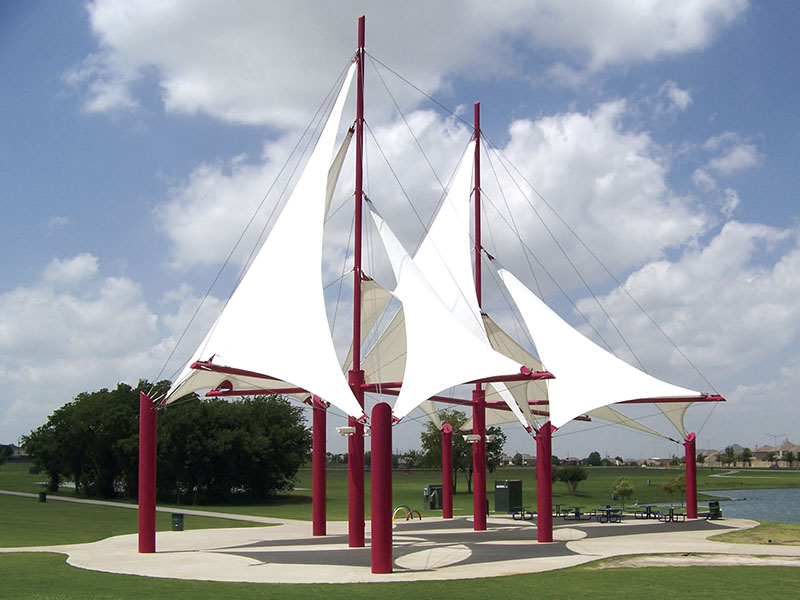
Outdoor Canopies and Shelter Covers
For compatible canopy and shelter products, subject to requirements for wind loading, installation tension, seam strength, weathering, and applicable fire regulations.
These are potential applications, not automatic approvals for every grade. Specialized uses involving structural loading, food contact, chemicals, or regulated storage require additional material and system-level verification.
PRODUCT SPECIFICATION
Technical Properties to Check Before Purchase
A useful supplier comparison should distinguish between the material's physical construction, measured mechanical performance, and tested weathering behavior.
| Specification | What buyers should confirm |
|---|---|
| Fabric weight | Nominal GSM, tolerance, and measurement method. Weight alone does not establish UV resistance or mechanical strength. |
| Base fabric | Polyester yarn specification, weave construction, warp and weft density, and reinforcement requirements. |
| PVC lamination | Layer construction, coating or film thickness, bonding quality, and surface finish. |
| UV resistance | Stabilizer specification where available, weathering test method, exposure conditions, and post-test evaluation results. |
| Tensile and tear strength | Separate warp and weft results, test standards, specimen conditions, and acceptance limits. |
| Water resistance | Relevant test results and finished-seam performance. UV resistance and water resistance are separate properties. |
| Flexibility | Folding behavior, low-temperature performance, and suitability for repeated handling. |
| Roll dimensions | Usable width, roll length, dimensional tolerance, and packaging requirements. |
LAMINATION AND QUALITY CONTROL
Why Lamination Consistency Matters
In laminated PVC tarpaulin, the bond between the PVC layers and textile reinforcement is an important part of material integrity. Inconsistent bonding may contribute to layer separation or surface defects during handling and service.
For outdoor applications, quality control should address both the laminated construction and the UV-related performance claimed for the material. A visually uniform surface is not sufficient evidence of long-term weathering resistance.
Production inspection and batch documentation should follow agreed specifications, sampling plans, and test methods. Where UV performance is a purchasing requirement, the test report should identify the tested grade and exposure conditions.
- Fabric weight and thickness consistency
- Surface appearance and coating uniformity
- Lamination adhesion and layer bonding
- Warp and weft tensile properties
- Tear resistance test results
- UV weathering test documentation
- Roll width and edge condition
Request a representative sample and technical data sheet before order confirmation. If the material will be used outdoors for extended periods, define the expected exposure environment and the required weathering acceptance criteria in advance.
PURCHASING INFORMATION
Details to Include in a Supplier Inquiry
Providing the following information helps suppliers assess whether the available laminated PVC tarpaulin construction meets the intended application requirements.
Required GSM and acceptable tolerance.
Required weathering standard and exposure criteria.
Base fabric, PVC layers, and surface finish.
Tensile strength, tear resistance, and flexibility.
Width, length, color, and packaging.
Quantity, sample approval, inspection, and delivery schedule.
TECHNICAL FAQ
Frequently Asked Questions
What is Anti-UV Laminated PVC Tarpaulin?
It is a PVC laminated reinforced textile formulated for applications where resistance to UV-related degradation is required. It generally consists of a woven textile base with PVC-based layers. The actual level of UV resistance depends on the formulation and verified weathering test results.
How does UV-resistant PVC tarpaulin differ from standard PVC tarpaulin?
The main difference may be the use of UV stabilizers or other formulation adjustments intended to improve resistance to sunlight exposure. However, product names alone do not establish a measurable performance difference. Buyers should compare weathering test data and material specifications.
Does anti-UV treatment prevent PVC tarpaulin from fading?
It may help reduce UV-related color and surface degradation, depending on the formulation. It does not guarantee that the material will retain its original color indefinitely. Pigments, stabilizer systems, exposure intensity, and environmental conditions all influence color retention.
Is anti-UV laminated PVC tarpaulin waterproof?
Some grades are designed for water-resistant or waterproof covering applications, but this must be confirmed separately. Water resistance depends on the laminated construction, material integrity, and finished-product details such as seams, edges, and fasteners.
How is UV resistance tested for PVC tarpaulin?
Weathering evaluations may use controlled UV exposure or accelerated weathering procedures. The test method, exposure cycle, duration, and evaluation criteria should be specified. Results may include visual changes and retained mechanical properties after exposure.
Can laminated PVC tarpaulin be used for long-term outdoor covering?
It may be suitable when its weathering performance, mechanical properties, flexibility, and water resistance meet the intended service conditions. Expected service life cannot be determined from the anti-UV description alone. Local climate, installation, maintenance, and exposure intensity also matter.
What should buyers check when comparing anti-UV PVC tarpaulin suppliers?
Compare the base fabric, nominal weight, lamination structure, tensile and tear values, coating adhesion, UV weathering test reports, roll dimensions, and agreed quality tolerances. Ensure that test documentation corresponds to the actual grade being purchased.