

 English
 中文简体
 русский
 Español
 Français
 عربى
 Português
 हिंदी
 Indonesia
 فارسی
 Tiếng Việt
 Türk




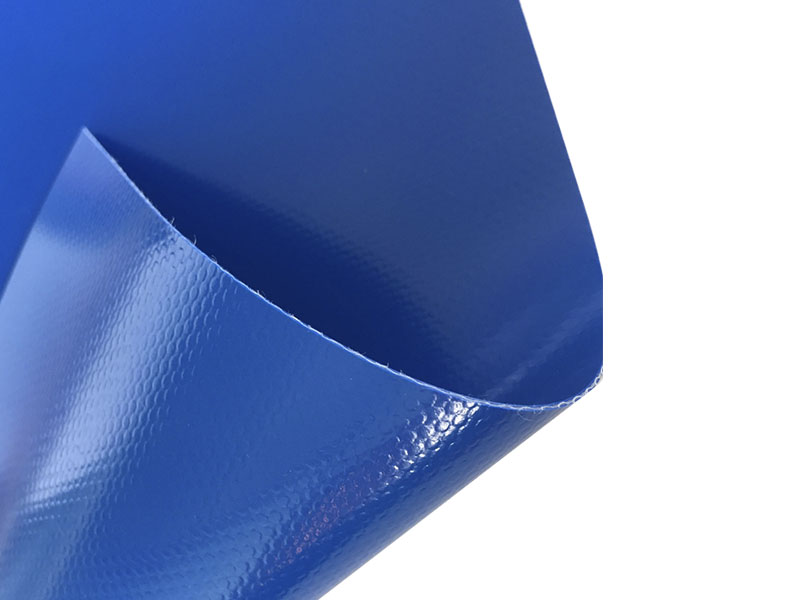
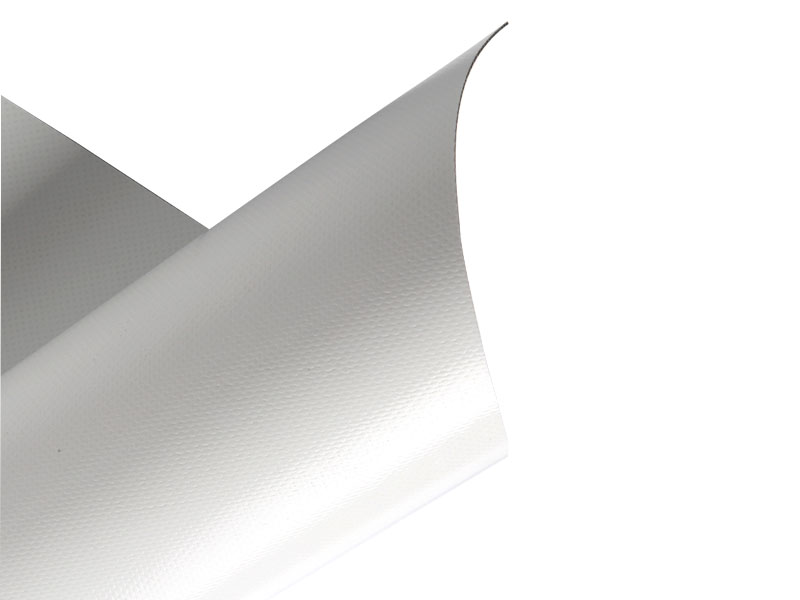

Backlit PVC Flex Banner for Lighting
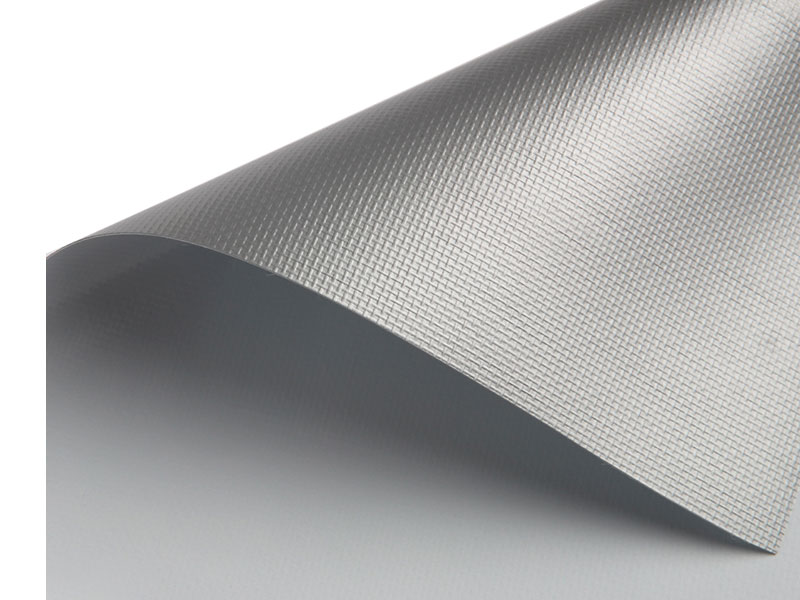
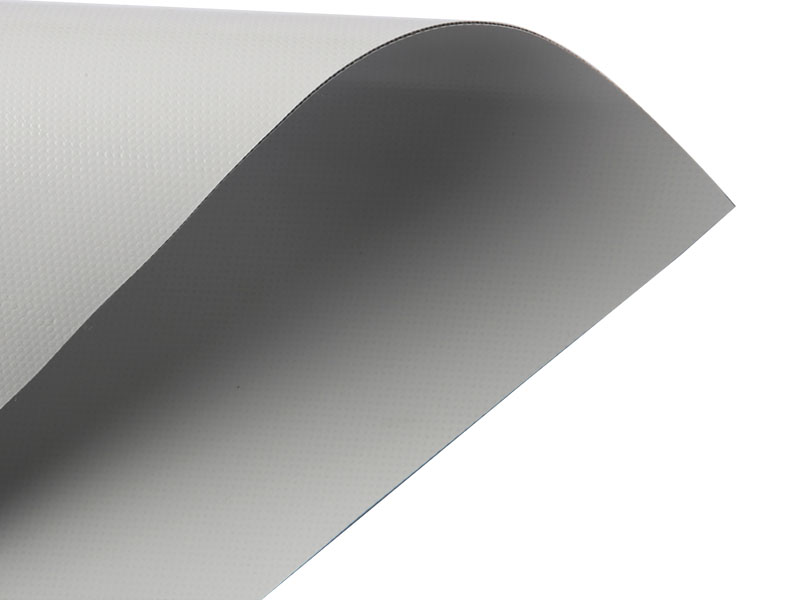
Backlit PVC flex banner is a flexible display material developed for illuminated advertising applications. When installed in a lightbox or another suitable backlighting system, light passes through the printed banner surface to make graphics, colors, and text visible under illumination.
For commercial printing and display projects, material selection involves more than light transmission. Buyers also need to consider print compatibility, color consistency, surface finish, dimensional stability, edge processing, and the lighting configuration used in the final installation. The appropriate banner construction depends on the intended display size, viewing distance, illumination method, and indoor or outdoor exposure conditions.
Actual material specifications should be confirmed against the selected printing process and display system.
How Backlit PVC Flex Banner Works
Unlike frontlit banner media, which is primarily viewed under external lighting, backlit flex banner is designed to work with a light source positioned behind the printed surface.
Rear illumination
LED modules or another compatible lighting system are installed behind the display material.
Light transmission
The PVC banner construction allows light to pass through the material, subject to its transmission characteristics.
Graphic presentation
Printed graphics become visible under backlighting, with the appearance influenced by ink density, color selection, and illumination uniformity.
A banner cannot compensate for uneven light distribution inside a lightbox. LED spacing, installation depth, diffuser design, frame construction, and the banner's optical properties all affect the final appearance.
Material Structure and Printing Compatibility
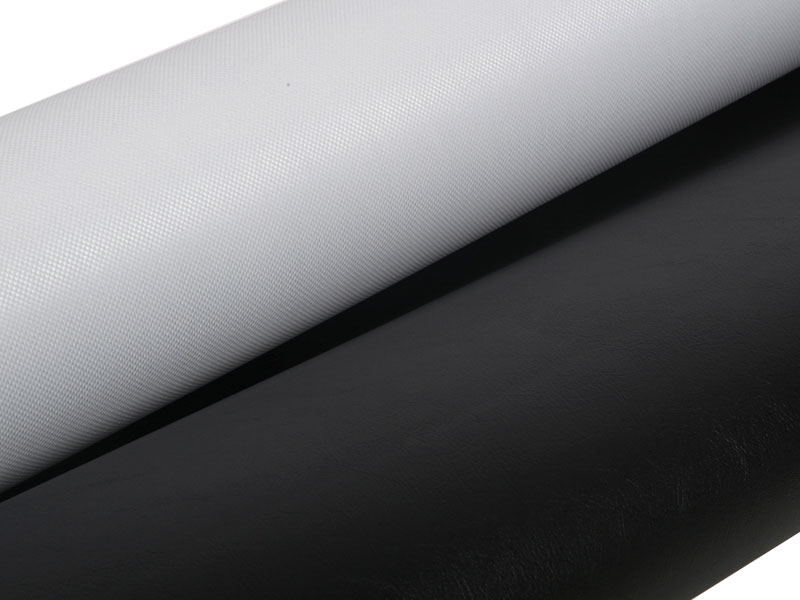
Backlit PVC flex banner is generally produced using a flexible PVC-based construction. Depending on the product specification, it may use a reinforced textile base with PVC coating or a laminated structure. The actual construction should be confirmed with the manufacturer rather than assumed from the product name.
Printable PVC surface
The surface finish and formulation influence ink adhesion, drying behavior, color reproduction, and compatibility with the intended printing equipment.
Flexible material body
The material body contributes to flexibility, handling, dimensional behavior, and the ability to fit the intended display frame.
Reinforcement, where applicable
Some constructions incorporate textile reinforcement to support handling and dimensional stability. Fabric type and construction vary by specification.
What Buyers Should Evaluate
The visual result depends on the interaction between the banner, printed image, and lighting equipment. These factors should be reviewed together during material selection.
Light transmission
Check the actual light transmission specification and test method. A higher transmission value does not automatically produce better image quality because ink coverage and lighting distribution also affect the result.
Color consistency
Evaluate printed colors under the intended backlighting conditions. Some colors may appear different when illuminated compared with their appearance in normal ambient light.
Surface finish
Surface texture and gloss can influence reflected light, image appearance, and viewing conditions. Select a finish compatible with the display environment.
Dimensional stability
Material shrinkage, expansion, and tension behavior can affect graphic alignment and installation, particularly on large-format illuminated displays.
Edge processing
For framed displays, confirm whether the banner can accommodate the required welding, hemming, reinforcement, or edge attachment method.
Where Backlit PVC Flex Banner Is Used
Potential applications include illuminated advertising and information displays where flexible printed media is required.
Retail Lightboxes
Illuminated promotional graphics, product campaigns, and in-store advertising panels.
Shopping Centers
Backlit promotional displays and information panels in commercial interior environments.
Exhibition Displays
Illuminated graphics for trade show booths, exhibition stands, and temporary promotional structures.
Transportation Advertising
Selected illuminated advertising panels for stations, terminals, and other public display environments.
Commercial Signage
Lighted brand graphics, promotional signage, and indoor advertising systems.
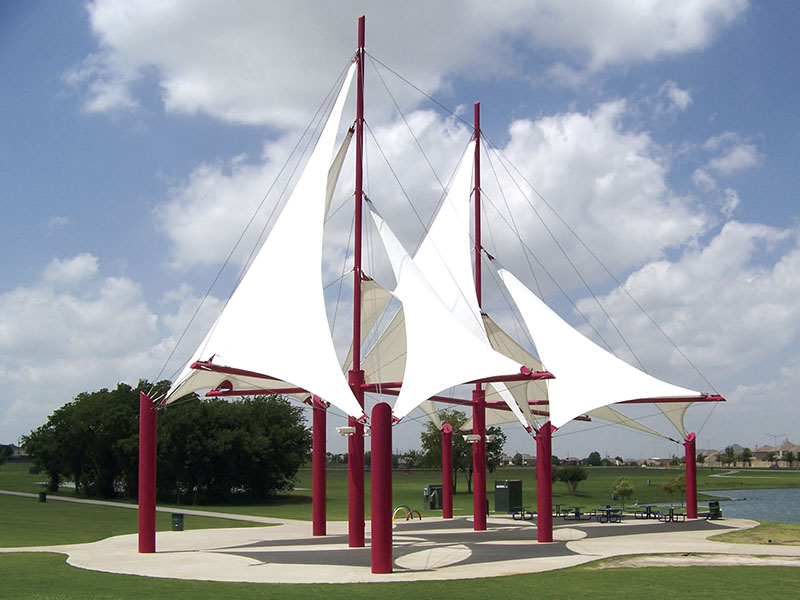
Outdoor and transportation-related installations require additional evaluation of weather exposure, wind loading, UV stability, mounting design, and applicable local requirements. Indoor display suitability should also be checked against the lighting system and installation conditions.
Specification Items to Confirm
Provide the intended display and printing requirements when requesting a quotation. The following information helps determine whether a material specification matches the project.
| Specification | Buyer confirmation |
|---|---|
| Material construction | PVC coating, laminated construction, reinforcement type, and product structure |
| Weight | Target GSM and acceptable weight tolerance |
| Thickness | Required thickness and measurement method |
| Light transmission | Required transmission level and applicable test method |
| Surface finish | Gloss, matte, or other specified surface treatment |
| Printing method | Printer type, ink system, and printing conditions |
| Roll dimensions | Required width, length, and roll configuration |
| Processing | Welding, hemming, eyelets, reinforcement, or other finishing requirements |
| Application environment | Indoor or outdoor use, illumination type, installation method, and exposure conditions |
Inspection Points for Backlit Banner Materials
Consistent material behavior is important for printing batches and repeat display projects. Inspection should follow agreed product specifications and documented test methods.
Appearance and surface
Inspect visible defects, coating consistency, surface contamination, and roll-to-roll appearance.
Physical dimensions
Check weight, thickness, width, and length against the agreed tolerance.
Printing performance
Conduct a trial print to assess ink compatibility, adhesion, drying, and image appearance.
Illuminated appearance
Review light transmission and printed color appearance using a representative backlighting setup.
Processing suitability
Test the intended welding or finishing process and inspect the resulting edge or joint where applicable.
Information to Include in an RFQ
For commercial printing distributors, signage manufacturers, and display-system suppliers, a clear RFQ helps reduce material mismatches and unnecessary sampling rounds.
Frequently Asked Questions
Common technical and purchasing questions about backlit PVC flex banner.
What is the difference between backlit and frontlit PVC flex banner?
Backlit banner is intended for displays illuminated from behind, while frontlit banner is generally viewed under light falling on its front surface. Their optical characteristics and printing requirements may differ, so the two materials should not be treated as interchangeable without testing.
Can backlit PVC flex banner be used with LED lightboxes?
It can be used in compatible LED lightbox systems. The material's light transmission, print density, lightbox depth, LED spacing, and diffuser arrangement should be evaluated together to achieve an even display.
Does higher light transmission always produce a brighter image?
Not necessarily. Brightness and visual contrast also depend on the lighting output, printed ink coverage, color design, viewing conditions, and light distribution. A representative illuminated sample is more useful than comparing transmission figures alone.
Which printing methods are suitable for backlit PVC flex banner?
Depending on the material formulation, compatible processes may include solvent, eco-solvent, UV, or latex printing. Buyers should confirm compatibility with the specific printer and ink system and conduct a trial print before bulk production.
Can the material be welded or finished with eyelets?
Finishing options depend on the banner construction and intended installation. Hot-air or high-frequency welding, hemming, and eyelet installation should be confirmed through processing trials to check edge strength and material compatibility.
Is backlit PVC flex banner suitable for outdoor illuminated signs?
Some specifications may be suitable for selected outdoor signage applications, but suitability depends on UV stability, weather exposure, wind loading, frame design, and installation conditions. Request the relevant test data rather than assuming outdoor durability from the backlit designation.
What information is needed to select the correct banner?
Provide the required weight, thickness, width, roll length, light transmission target, printing method, lighting arrangement, application environment, and finishing requirements. A sample evaluation can help confirm the material before bulk ordering.